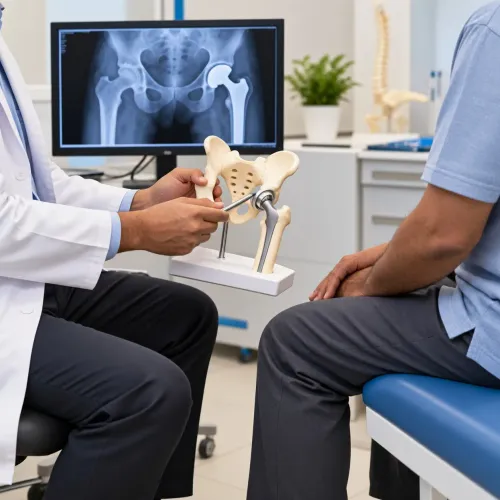

Choosing a paediatric clinic in Pune involves more than finding the shortest route. You need to confirm the clinic’s age range, clinician qualifications, appointment process, emergency limits, vaccination arrangements and ability to manage injuries. By the end, you can compare nearby options and decide whether your child needs a clinic, hospital department or emergency care.
Key takeaways
- Verify the clinic entrance, floor, parking and landmark before travelling.
- Book an appointment for persistent, worsening or unexplained symptoms.
- Go to emergency care for breathing trouble, seizures or severe injury.
- Carry vaccination records and ask about catch-up doses and side effects.
How to Check Whether a Paediatric Clinic Is Truly Near You
A clinic is genuinely near you only if you can reach its actual entrance within a practical travel time, not merely find it on a map. For a “paediatric clinic near me Pune” search, confirm the full address, building name, floor, parking, public-transport route and a nearby landmark.
Check the route during school-run traffic across your Pune neighbourhoods and landmarks.
Before booking, verify these details by telephone or the clinic’s current website:
- Does the clinic accept newborns, infants, toddlers, school-age children and teenagers?
- Is the treating clinician a registered paediatrician? Ask about paediatric qualifications, experience and the ages treated.
- What are the opening hours, appointment slots, walk-in rules and after-hours instructions?
- Can you reach a child doctor Pune families can consult for routine illness, vaccinations and follow-up?
- If searching for a paediatrician near me after an injury, is same-day X-ray access available?
| Service type | What it can handle | What to verify |
|---|---|---|
| Routine paediatric clinic | Illnesses, vaccinations and growth reviews | Appointment access and age range |
| Injury-capable clinic | Splinting, casting and selected fracture assessment | Distal pulse, capillary refill, sensation and movement checked before and after treatment |
| Emergency department | Pale or blue limbs, numbness, weakness, severe swelling or worsening pain | Immediate assessment, paediatric anaesthesia, surgical cover and transfer arrangements |
Ask how the clinic transfers children with open fractures, major trauma, suspected infection or reduced blood flow. Do not wait for a routine slot when a limb is cold, pale, blue, numb or weak.
Which Child Problems Need a Clinic Appointment?
Book a routine paediatric appointment for growth, development, feeding, sleep, behaviour, persistent cough or constipation, non-urgent rashes, school concerns, and ongoing conditions. Ask whether the clinic sees your child’s age group, from newborns and infants to toddlers, school-age children and teenagers.
For child healthcare Pune families need a clear escalation plan, not just a booking link. Use this guide:
| Setting | Suitable problem | Choose it when |
|---|---|---|
| Routine paediatric clinic | Growth review, developmental concerns, feeding difficulty, mild rash, recurring symptoms, or routine fever in children | Your child is alert, breathing comfortably, drinking and passing urine |
| Same-day clinic or urgent assessment | Vomiting and diarrhoea in children, worsening fever, suspected fracture, or a child who suddenly limps | Symptoms need assessment today, but there is no immediate breathing, circulation or consciousness problem |
| Emergency department | Pale, blue, cold, numb or weak injured limb; severe swelling; uncontrolled pain; major trauma; or refusal to walk with fever | Go directly for possible neurovascular injury, compartment syndrome, septic arthritis or serious dehydration |
A routine paediatric appointment is the wrong starting point for back or neck pain with night pain, weakness, numbness, bowel or bladder changes, fever, weight loss, trauma or progressive deformity. Those signs need prompt specialist assessment.
For a limb injury, ask whether the service offers same-day X-ray, reduction and casting, observation, paediatric anaesthesia and a hospital transfer pathway. A multispeciality clinic without these facilities is not an emergency department.
When to Skip the Appointment and Go Straight to Emergency Care
Call emergency services or go to a hospital immediately for breathing difficulty in children, blue or grey lips, severe bleeding, collapse, unresponsiveness or rapidly worsening illness. Do not drive a deteriorating child yourself; call 112 and follow the dispatcher’s instructions.
This is the right response when searching for a paediatric emergency Pune service, not waiting for a clinic appointment.
- Treat a first child seizure, a seizure lasting five minutes, repeated seizures, or failure to wake normally afterwards as an emergency. Turn the child on their side, clear nearby objects, and put nothing in the mouth.
- Suspect a severe dehydration child emergency when the child cannot drink, keeps vomiting, passes little or no urine, has very dry mouth, no tears, sunken eyes, unusual sleepiness or confusion.
- Go directly to hospital for a pale, blue, cold, numb, weak or severely swollen injured limb, worsening pain despite immobilisation, an open fracture, major bleeding or a visible deformity. Do not straighten the limb or give food if sedation or surgery might be needed.
- Sudden refusal to walk or bear weight with fever or significant pain needs same-day hospital assessment. Bone or joint infection can damage a joint, and the absence of fever does not exclude it.
| Situation | Best destination | Why waiting is risky |
|---|---|---|
| Breathing, consciousness or seizure problem | Ambulance or emergency department | Airway, oxygen or brain support may be needed |
| Neurovascular limb signs or major trauma | Direct hospital assessment | Blood flow, nerves or compartment pressure require urgent treatment |
| Fever with a painful, immobile joint | Hospital emergency service | Septic arthritis needs rapid investigation and treatment |
Vaccination Visits: Records, Catch-Up Doses and Questions to Ask
1. Check the child’s National Immunization Schedule India record before leaving, and note the vaccine name, dose number and date of every entry. Carry the immunisation card, previous prescriptions, allergy details and any records from school or another child vaccination Pune provider.
2. If a dose was missed, book a catch-up vaccination review rather than restarting the entire series. The clinician will compare the child’s age and documented doses with the required minimum intervals, then give only the vaccines that are due.
3. Bring the lost immunisation card issue to the appointment. Ask the previous clinic, hospital or local health service to search its register or digital record; if no reliable proof exists, the clinician may recommend an age-appropriate catch-up plan instead of guessing.
4. Ask which vaccine is being given, why it is due, when the next dose falls, and which reactions need attention. Soreness, mild swelling or a low fever can occur after vaccination; follow the clinician’s advice on comfort measures and medicines.
5. Seek urgent care for breathing difficulty, facial swelling, widespread hives, collapse, unusual drowsiness or a seizure after vaccination. Tell the vaccinator about fever, current illness, previous reactions, immune problems and medicines before the injection, and remain at the clinic for the observation period they advise.
When a Nearby Clinic Needs Child-Specific Orthopaedic Capability
For a limb injury, limp, spinal concern or joint problem, choose a clinic that can assess children at the right stage of growth—not simply an adult orthopaedic service with a paediatric label.
- Confirm the clinic’s accepted ages, from newborns and infants through toddlers, school-age children and teenagers.
- Check the treating clinician’s registration, paediatric orthopaedic experience and scope. Ask whether they provide paediatric orthopaedic care Pune families can access for both injuries and developmental problems.
- Ask for same-day X-ray access and a plan for follow-up. A child fracture treatment decision depends on age, displacement, rotation, joint involvement, remaining growth and whether the fracture crosses a growth plate. A growth plate injury can disturb later bone growth even when the first X-ray looks minor.
- Verify reduction and casting facilities, observation space, paediatric anaesthesia, surgical cover and a named transfer route for open fractures, major trauma, infection or circulation problems.
- Ask what happens if the limb becomes pale, blue, cold, numb, weak or increasingly painful after immobilisation. Those signs need emergency assessment, not a routine slot.
- For paediatric arthroscopy, ask for the specific structural diagnosis, non-operative alternatives, rehabilitation time and expected benefit. Arthroscopy is not a default treatment for unexplained joint pain.
- Treat joint replacement as a separate, exceptional discussion in children; growth-preserving and joint-preserving options come first where feasible.
Latkar Multi-speciality Clinic is worth evaluating against this checklist, including its urgent transfer arrangements, rather than assuming its multispeciality status covers every paediatric orthopaedic need.
Frequently asked questions
How do I check whether a paediatric clinic is truly near me in Pune?
Confirm the full street address, building name, floor, entrance, parking availability, public-transport route and a nearby landmark. Check the actual travel time during the hours you would visit.
Which child problems need a paediatric clinic appointment?
Arrange an appointment for persistent fever, repeated vomiting or diarrhoea, ongoing cough, ear pain, poor feeding, unexplained rash, developmental concerns or symptoms that are worsening without emergency warning signs.
When should I take my child straight to emergency care?
Skip a routine appointment for breathing difficulty, blue lips, a seizure, loss of consciousness, severe dehydration, uncontrolled bleeding, suspected poisoning, a serious head injury or a limb that looks deformed after an injury.
What should I take to a child vaccination appointment?
Bring the vaccination card, previous medical records, a list of medicines and details of allergies or earlier vaccine reactions. Ask which doses are due, whether catch-up vaccination is needed and which side effects require medical advice.
When does a nearby clinic need child-specific orthopaedic capability?
Choose care with paediatric orthopaedic capability for a suspected fracture, limping, repeated falls, a painful or swollen joint, limb-length concerns, spinal curvature or a sports injury. Children’s growing bones need age-appropriate examination and treatment decisions.