
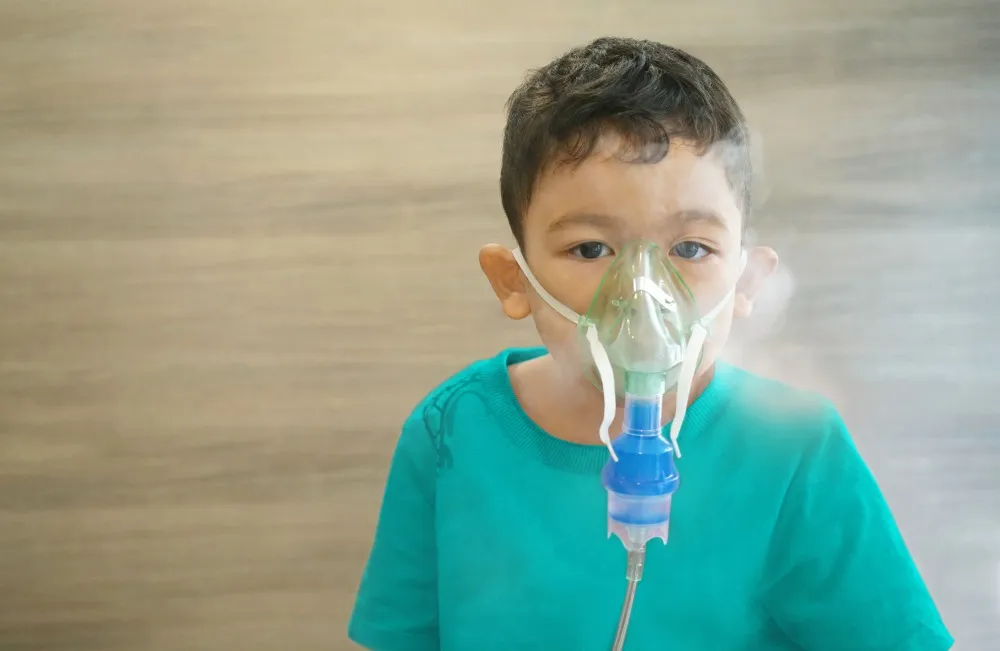
Repeated coughing, wheezing, nasal congestion, sneezing, or breathing discomfort can affect a child's sleep, school attendance, exercise, and everyday activities. Because respiratory symptoms can have several causes, parents should avoid assuming that every recurring cough is asthma or that every episode of sneezing represents an allergy.
When considering Pediatric Allergy and Asthma Treatment in Pimple Saudagar, the first priority is establishing the likely cause and understanding the child's symptom pattern.
Allergy and Asthma Can Be Related but Are Not Identical
Allergies occur when the immune system reacts to particular substances. Depending on the child, symptoms may affect the nose, eyes, skin, respiratory system, or other areas.
Asthma affects the airways and can cause symptoms such as wheezing, coughing, chest tightness, or breathing difficulty.
Some children with asthma also have allergies, but the two conditions should not automatically be treated as the same problem.
A pediatric evaluation can help determine whether symptoms suggest asthma, allergic rhinitis, recurrent respiratory infection, another respiratory problem, or a combination of factors.
Track the Pattern Rather Than One Episode
Recurring symptoms often become easier to understand when parents observe when and where they occur.
Useful questions include:
- Does coughing worsen at night?
- Does exercise trigger symptoms?
- Are symptoms seasonal?
- Does exposure to dust appear relevant?
- Does the child wheeze during respiratory infections?
- Are nasal and eye symptoms present?
- How often are school or activities affected?
Keeping a brief symptom diary can provide useful information during pediatric consultation.
Why Repeated Self-Medication Can Be a Problem
When symptoms return frequently, families may repeatedly use previously prescribed medicines without reassessment.
However, a child's condition can change over time. Medication choice, dose, duration, and delivery technique may also need review.
For inhaled medicines, correct technique is particularly important. Even an appropriate medicine may not be delivered effectively if the inhaler or spacer is being used incorrectly.
Parents should therefore discuss recurring symptoms and medication use during follow-up visits rather than making long-term adjustments independently.
What Good Asthma Management Looks Like
Management is not limited to treating an acute episode.
Depending on the child's diagnosis and clinical needs, care may involve identifying triggers, reviewing medication use, checking inhaler technique, monitoring symptom frequency, and establishing an appropriate follow-up plan.
Parents should understand which symptoms can be monitored and which require prompt medical evaluation.
Significant breathing difficulty, severe wheezing, difficulty speaking normally because of breathlessness, unusual drowsiness, or visible worsening of respiratory distress requires urgent medical attention.
Everyday Environmental Measures
Where a particular trigger has been identified, reducing relevant exposure may form part of management.
However, families should avoid extreme environmental restrictions without a clear reason. Eliminating foods, restricting outdoor activity, or making major lifestyle changes based solely on assumptions can create unnecessary difficulties.
Trigger management works best when based on a consistent symptom history and medical assessment.
Pediatric Respiratory Care in Pimple Saudagar
Pimple Saudagar is a busy residential part of the Pune metropolitan region where children are exposed to changing weather, indoor environments, school settings, outdoor activity, and urban air conditions. Families dealing with recurring respiratory symptoms often benefit from having a clear management plan rather than treating each episode as an entirely new problem.
Latkar Multi-speciality Clinic provides pediatric evaluation for childhood healthcare concerns, including recurring respiratory and allergy-related symptoms.
For parents, the most useful approach is to observe patterns, maintain records of previous episodes and medicines, and discuss changes during follow-up.
Effective pediatric allergy and asthma care is built around an accurate diagnosis, appropriate treatment, correct medication technique when prescribed, trigger awareness, and ongoing review. This allows decisions to be based on the child's actual symptom pattern rather than guesswork.
Keywords