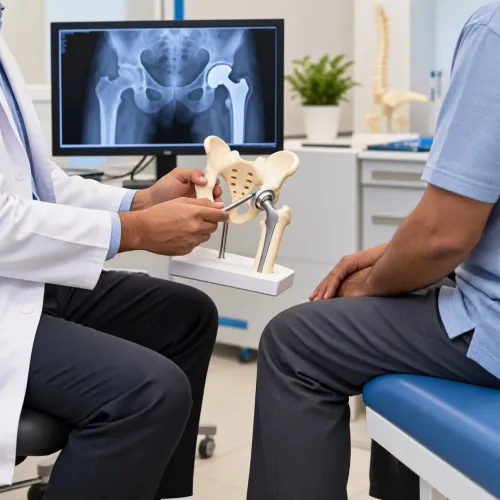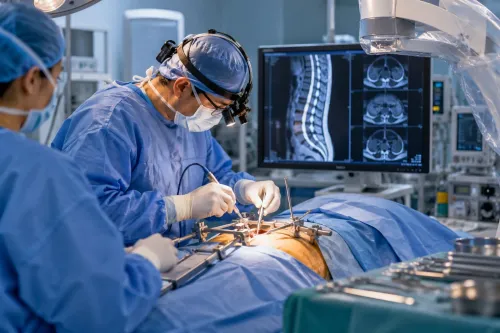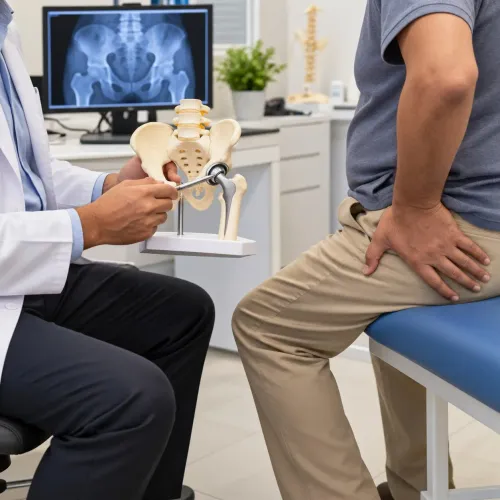
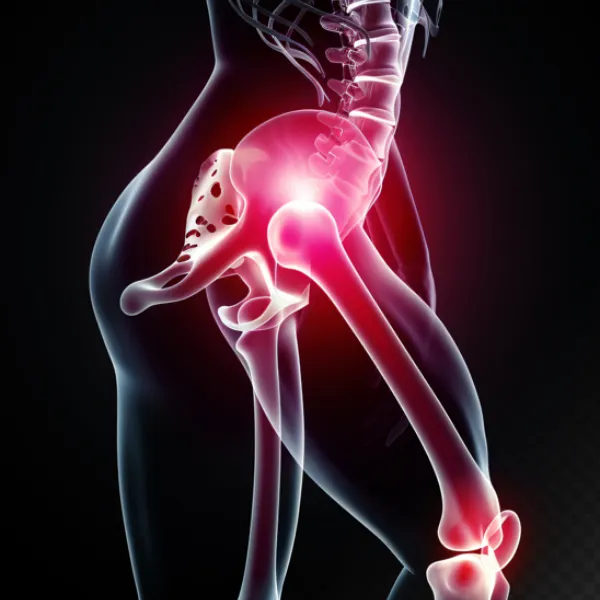
Persistent knee or hip pain can gradually affect every aspect of daily life. Walking, climbing stairs, standing for long periods, or even getting a good night's sleep may become difficult. When medications, physiotherapy, and lifestyle changes no longer provide adequate relief, Advanced Knee and Hip Joint Replacement Surgery may become a suitable treatment option for selected patients.
Many people in Baner, Pune, are exploring modern joint replacement procedures because advances in surgical techniques and rehabilitation have significantly improved recovery and long-term outcomes.
What Is Knee and Hip Joint Replacement?
Joint replacement surgery involves removing damaged joint surfaces and replacing them with specially designed implants that help restore movement and reduce pain.
The goal is not simply to replace a joint but to improve mobility, independence, and overall quality of life.
Modern implants are designed to function naturally while supporting long-term durability when combined with proper rehabilitation.
When Is Surgery Considered?
Joint replacement is usually recommended only after conservative treatments have been thoroughly evaluated.
Common reasons include:
- Severe osteoarthritis
- Rheumatoid arthritis
- Advanced joint degeneration
- Joint deformity
- Persistent pain affecting daily activities
- Reduced mobility despite treatment
- Difficulty sleeping because of joint pain
The decision is always based on clinical evaluation rather than age alone.
Signs That Should Not Be Ignored
You may benefit from an orthopedic consultation if you experience:
- Constant knee or hip pain
- Swelling that frequently returns
- Difficulty walking
- Joint stiffness after rest
- Limited range of motion
- Pain while climbing stairs
- Reduced participation in daily activities
Early evaluation helps determine whether surgery is necessary or if non-surgical options remain effective.
Modern Advances in Joint Replacement
Today's procedures are very different from those performed years ago.
Recent developments include:
Improved Surgical Precision
Advanced planning techniques help surgeons position implants more accurately.
Better Implant Materials
Modern implants are designed for durability while supporting smoother joint movement.
Faster Rehabilitation
Early mobilization and structured physiotherapy often allow patients to resume routine activities sooner than in the past.
Individualized Treatment Planning
Each patient's age, activity level, bone quality, and medical history are considered before recommending surgery.
Is Everyone a Candidate?
Not everyone with joint pain requires replacement surgery.
Many patients improve through:
- Physiotherapy
- Weight management
- Exercise programs
- Pain management
- Joint injections
- Lifestyle modifications
A comprehensive orthopedic assessment helps determine the most appropriate treatment path.
Preparing for Surgery
Patients considering joint replacement should prepare by:
- Completing recommended medical investigations
- Managing diabetes or blood pressure if applicable
- Maintaining good nutrition
- Performing prehabilitation exercises
- Understanding the rehabilitation process
- Discussing expectations with their orthopedic surgeon
Preparation plays an important role in recovery.
Recovery After Joint Replacement
Recovery varies depending on individual health, the type of surgery, and commitment to rehabilitation.
Typical recovery focuses on:
- Pain management
- Gradual walking
- Strengthening exercises
- Improving flexibility
- Balance training
- Regular follow-up appointments
Following medical advice and physiotherapy instructions consistently contributes to better long-term outcomes.
Frequently Asked Questions
How long do artificial joints last?
Modern implants are designed for long-term performance, although durability depends on several individual factors, including activity level and overall health.
Can older adults undergo joint replacement?
Many senior citizens benefit from surgery after a thorough medical evaluation confirms they are suitable candidates.
Will I be able to walk normally again?
Most patients experience significant improvement in mobility after completing rehabilitation, although recovery timelines differ for each individual.
Choosing the Right Orthopedic Team
Joint replacement involves more than surgery alone. Successful outcomes depend on accurate diagnosis, experienced orthopedic care, structured rehabilitation, and continuous follow-up.
Patients in Baner and nearby parts of Pune often look for healthcare providers that combine these services in one place. Latkar Multi-speciality Clinic offers comprehensive orthopedic evaluation while coordinating care based on each patient's medical condition and recovery goals. An integrated approach allows patients to receive personalized guidance before surgery, during treatment, and throughout rehabilitation, helping them make informed decisions about their joint health.
Keywords