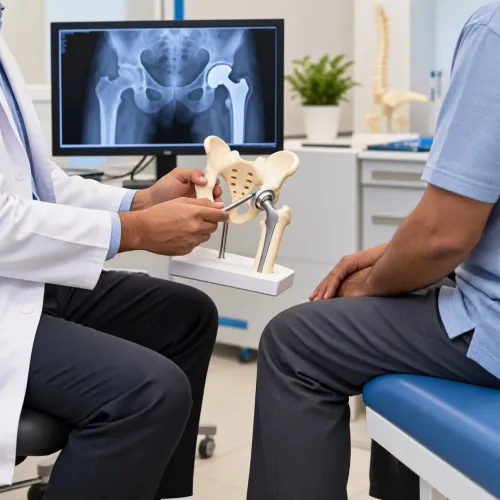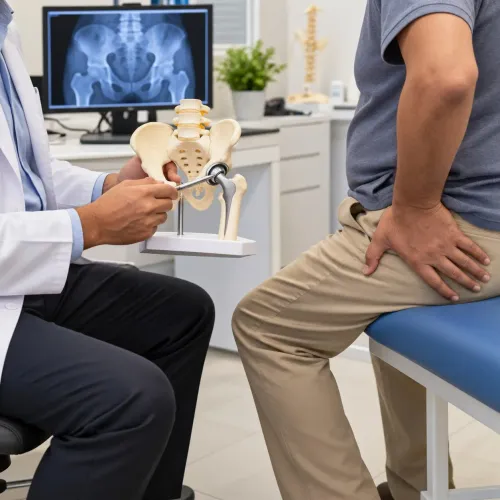
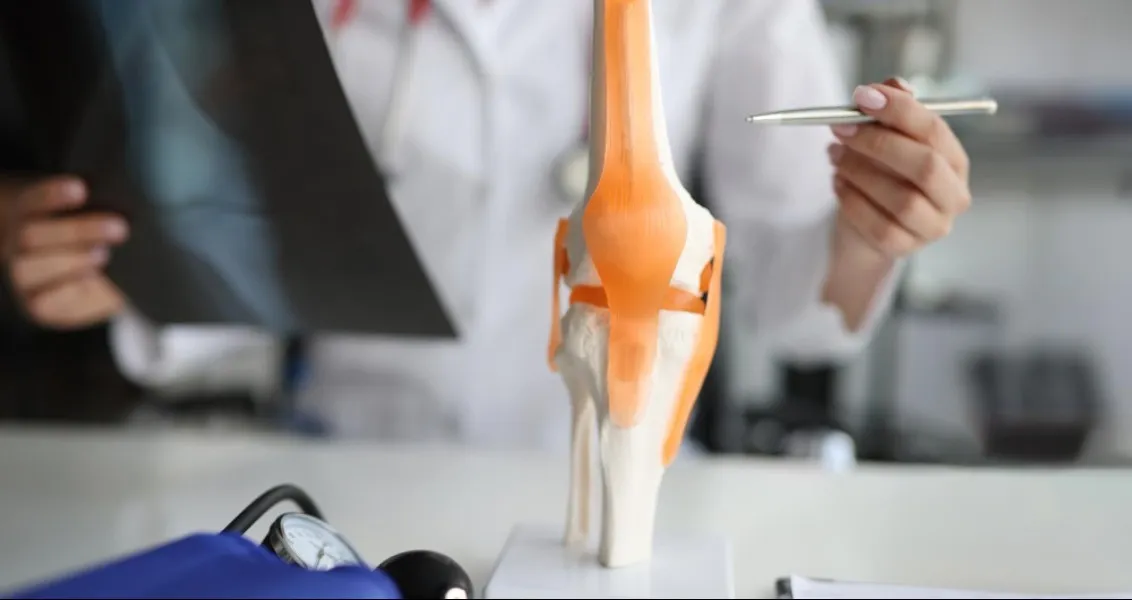
Knee pain does not automatically mean that joint replacement surgery is required. Many knee problems can be managed through non-surgical treatment, depending on their cause and severity. However, persistent pain, increasing stiffness, reduced mobility, or advanced joint damage may justify evaluation by a Knee and Joint Replacement Specialist in Baner.
Understanding when specialist assessment becomes appropriate can help patients avoid both unnecessary delay and premature assumptions about surgery.
Why Knee Pain Develops
The knee is a weight-bearing joint that experiences considerable stress during walking, climbing stairs, standing, exercising, and everyday movement.
Pain can develop because of:
- Osteoarthritis
- Previous injuries
- Ligament or meniscus problems
- Inflammation
- Cartilage deterioration
- Age-related joint changes
- Repetitive physical stress
The cause matters because treatment for an acute injury may be completely different from treatment for progressive arthritis.
Early Symptoms Deserve Attention
Many people initially ignore mild knee discomfort because they can still perform routine activities. Over time, however, pain may begin affecting walking, stair climbing, exercise, sleep, or work.
An orthopedic consultation becomes useful when knee pain persists despite reasonable rest or when symptoms repeatedly return.
Other signs worth discussing with a specialist include swelling, stiffness after sitting, reduced range of motion, instability, difficulty bearing weight, or a noticeable decline in walking ability.
Does Severe Arthritis Always Require Surgery
No. The decision depends on the individual patient.
For mild or moderate symptoms, treatment may involve activity modification, medication when clinically appropriate, strengthening exercises, weight management, physiotherapy, or other conservative approaches.
Joint replacement is generally considered only after assessing the extent of joint damage, the patient's symptoms, functional limitations, overall health, and response to previous treatment.
This distinction is important for people searching for knee replacement care in Baner. A consultation should not begin with the assumption that an operation is inevitable.
What Happens During Specialist Evaluation
A useful orthopedic assessment usually combines the patient's medical history with a physical examination.
The doctor may assess:
- Knee movement and flexibility
- Swelling or tenderness
- Joint stability
- Walking pattern
- Previous injuries
- Impact of pain on daily life
- Response to earlier treatments
Imaging or other investigations may be advised when clinically necessary.
Patients should bring previous X-rays, MRI reports, prescriptions, surgery records, and details of existing medical conditions when available. This gives the specialist a clearer picture of how the condition has progressed.
Questions to Ask Before Considering Joint Replacement
Patients evaluating surgical treatment can ask practical questions such as:
- What is causing my knee pain?
- How advanced is the joint damage?
- Are non-surgical options still appropriate?
- Why is replacement being considered?
- What preparation would be required?
- What does rehabilitation typically involve?
- What factors could influence recovery?
Clear answers help patients and families make decisions based on clinical findings rather than fear or assumptions.
Local Orthopedic Care in Baner
Baner has a large population of working adults, active families, and senior citizens, creating varied orthopedic healthcare needs. Access to specialist evaluation within Pune can be particularly useful when a condition requires multiple appointments, monitoring, rehabilitation planning, or postoperative follow-up.
Latkar Multi-speciality Clinic provides orthopedic assessment as part of its broader healthcare services. Patients with persistent knee or joint symptoms can be evaluated to determine the nature of the problem and whether conservative management, additional investigation, or surgical consideration is appropriate.
The most important question is therefore not simply whether knee replacement is available. It is whether replacement is actually suitable for the patient's condition.
Persistent knee pain that restricts mobility deserves proper evaluation. Getting the diagnosis right first allows treatment decisions to be based on the condition of the joint, functional limitations, overall health, and the patient's individual needs.
Keywords