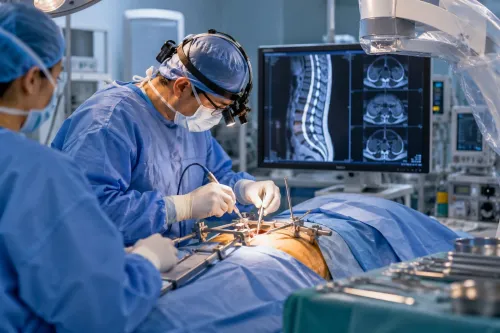
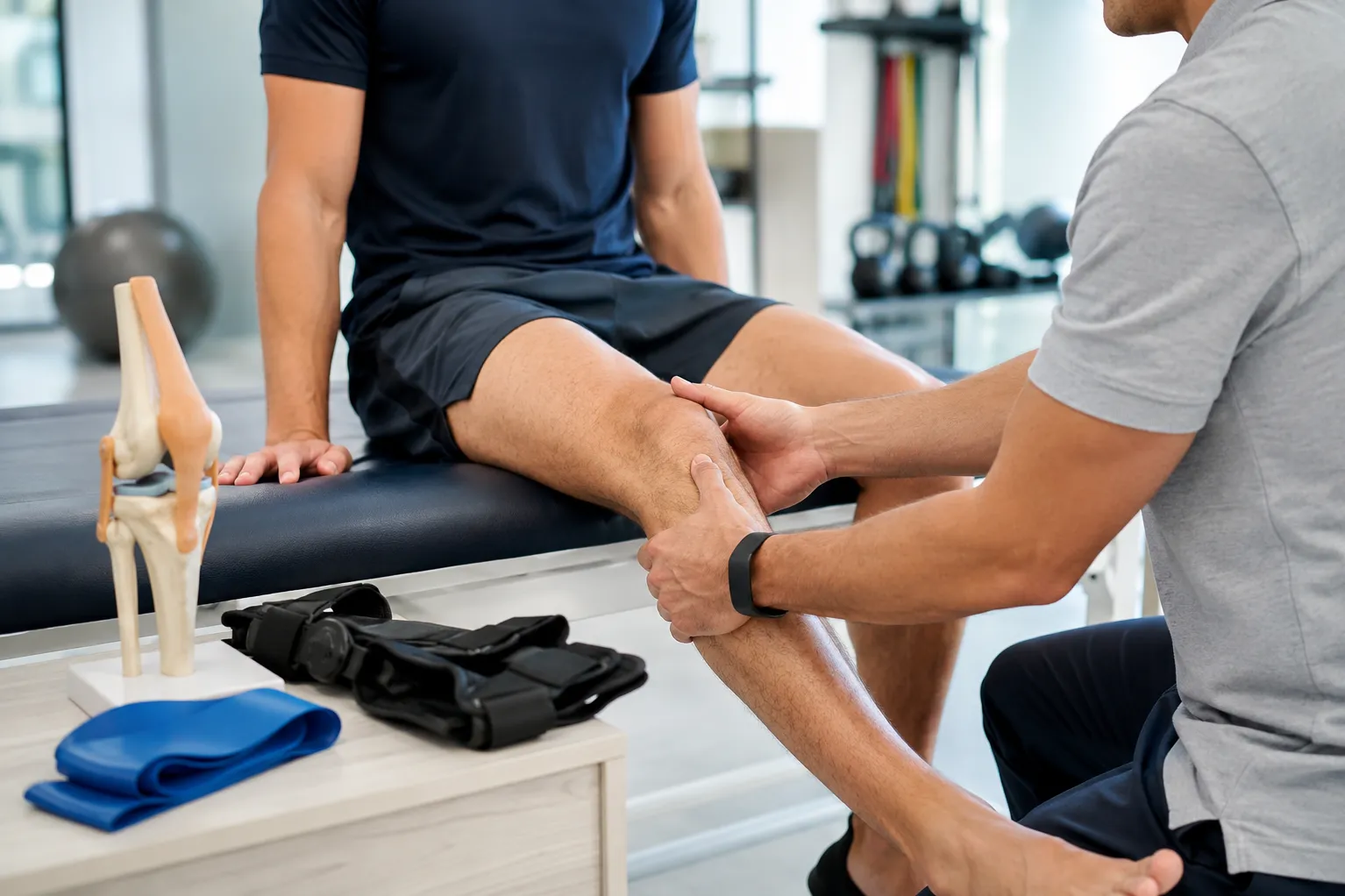
A sudden twist of the knee during football, badminton, running, gym training, or another sport can cause more than temporary soreness. Ligaments, cartilage, muscles, and other structures around the knee may be affected, and the pattern of symptoms often provides important clues about the injury.
Consulting a Sports Injury and ACL Tear Specialist in Hinjewadi may be appropriate when knee symptoms continue after an injury or when instability makes returning to activity difficult.
What Is an ACL Injury
The anterior cruciate ligament, commonly called the ACL, is one of the important stabilizing ligaments within the knee.
ACL injuries often occur during movements involving rapid direction changes, awkward landings, sudden stops, or twisting with the foot planted.
An injury does not always occur through direct contact. A person can damage the ligament during a non-contact sporting movement.
Symptoms That Can Occur After an ACL Injury
Symptoms vary depending on the nature and severity of the injury, but patients may experience:
- A popping sensation at the time of injury
- Rapid swelling
- Knee pain
- Difficulty continuing the activity
- Reduced movement
- A feeling that the knee may give way
- Instability during turning or changing direction
These symptoms are not exclusive to ACL injuries. Meniscus injuries and other ligament problems can produce overlapping complaints, which is why clinical assessment is important.
Avoid Testing an Injured Knee Repeatedly
One common mistake after a sports injury is repeatedly trying to run, jump, squat, or change direction to see whether the knee has recovered.
If significant swelling, instability, or pain is present, repeated testing can place additional stress on an injured joint.
Another mistake is returning to sport simply because pain has decreased. Pain relief does not necessarily mean that strength, stability, coordination, and tissue recovery are sufficient for unrestricted activity.
How Sports Knee Injuries Are Assessed
An orthopedic assessment generally starts with the circumstances of the injury.
The specialist may ask whether the knee twisted, whether there was contact with another player, how quickly swelling appeared, and whether the patient could continue playing.
Physical examination can assess stability, movement, tenderness, swelling, and other structures around the knee.
MRI or other imaging may be recommended when the findings suggest ligament, meniscus, cartilage, or associated structural injury.
Does Every ACL Tear Need Surgery
Treatment should be individualized.
Factors that may influence management include the extent of the injury, knee stability, associated damage, age, sporting goals, occupation, and the patient's expected activity level.
Some patients may be managed with rehabilitation and activity modification, while others may be evaluated for ACL reconstruction.
For athletes, the decision is not based solely on whether they want to return to sport. The type of sport and the amount of pivoting, jumping, and directional movement involved also matter.
Rehabilitation Is Part of Recovery
Whether treatment is surgical or non-surgical, rehabilitation can play an important role.
Recovery may focus on restoring:
- Knee movement
- Muscle strength
- Balance
- Joint control
- Functional movement
- Sport-specific readiness
Return-to-sport decisions should consider function and stability rather than relying only on the number of weeks or months since the injury.
Sports Injury Care Around Hinjewadi
Hinjewadi has a large working population with many people participating in gyms, running groups, recreational sports, and weekend fitness activities across Pune. Sudden increases in training intensity or returning to sport after a long break can contribute to injury risk.
Latkar Multi-speciality Clinic provides orthopedic evaluation for sports-related musculoskeletal problems. For someone experiencing persistent knee swelling, instability, restricted movement, or difficulty returning to normal activity after an injury, specialist assessment can clarify what has been damaged and what recovery may involve.
A sports injury should be managed according to the actual structure affected and the patient's functional goals. Establishing the diagnosis before rushing back to activity is one of the most useful steps toward a safer return to movement.
Keywords